Source high sensitive touch cellphone screen for Industrial Control, Public Inquiry, Mobile Devices
Find 30 products featuring a high sensitive touch cellphone screen designed for industrial control systems, public information inquiry, and mobile phones. Buyers can compare specifications like screen size, material, and customization options to select the right solution.
Key considerations
Products List




Comprehensive Sourcing Guide
Strategic Sourcing Guide for High Sensitive Touch Cellphone Screen Solutions
Understanding Technical Specifications and Variability
When sourcing high sensitive touch cellphone screens, buyers must first navigate a complex landscape of technical attributes that vary significantly between industrial applications and consumer mobile accessories. The core keyword implies a need for responsiveness and precision, yet the market data reveals a bifurcation in product types. On one end of the spectrum, there are industrial-grade components designed for control systems, characterized by specific screen sizes ranging from 5 to 15 inches. These units often utilize resistive touch screen technology, which is noted in the observed data as a distinct category. For these industrial applications, the aspect ratio is frequently customized to fit specific machinery or kiosks, rather than adhering to standard consumer mobile formats.
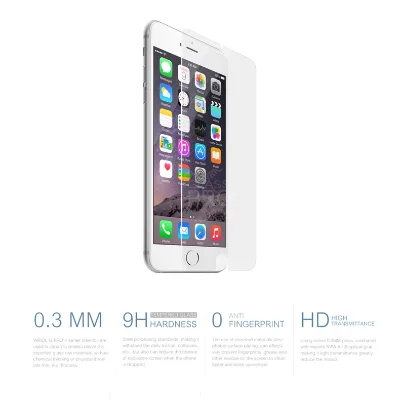
Conversely, the market also features high-volume consumer accessories, such as tempered glass protectors designed for specific smartphone models like the OPPO RENO 5 5G or various iPhone series. In this segment, the "high sensitive touch" requirement often translates to optical clarity and minimal interference with the underlying capacitive touch layer. The material composition is a critical differentiator here; observed listings specify the use of Japan Asahi glass and Japan AGC glass, often combined with specific adhesives to ensure a seamless fit. The thickness of these protective layers varies, with observed data indicating ranges such as 0.26mm and 0.3mm, which directly impacts the tactile feedback and sensitivity of the screen.
Buyers must distinguish between the "Digital" resistive touch type listed for industrial units and the "2.5D" or "Full Glue" specifications found in consumer protectors. The 2.5D feature, referring to the curved edges of the glass, is a specific functional attribute that enhances the aesthetic and tactile experience but requires precise manufacturing tolerances. Furthermore, the aspect ratio for these consumer items is often customized, suggesting that off-the-shelf solutions may not fit every device without modification. The application of these screens is equally diverse, spanning from industrial control systems and public information inquiry systems to mobile phone usage. Understanding this distinction is vital, as a screen optimized for a rugged industrial control panel will differ fundamentally in construction and sensitivity tuning from a protector designed for a consumer smartphone.
Compliance, Certification, and Material Standards
Ensuring that sourced components meet regulatory and quality standards is a non-negotiable step in the procurement process. While the supplied data does not explicitly list third-party certifications like ISO or CE for every item, it does highlight specific material origins and quality grades that serve as proxies for compliance. The frequent mention of "Japan Asahi glass" and "Japan AGC Glass" indicates a reliance on established global suppliers known for high optical quality and durability. These materials are often associated with superior scratch resistance, with some products boasting a hardness rating of 9H, a standard metric for glass protection.
For industrial applications, the "customized" standard noted in the product attributes suggests that compliance may be driven by the specific requirements of the end-user's industry rather than a universal certification. Buyers should verify that the "Protective Package" and "OEM/ODM" capabilities of the supplier align with their own quality assurance protocols. The origin of the products, primarily noted as China and specifically Guangzhou or Guangdong, provides context for the supply chain but requires buyers to conduct their own due diligence regarding export compliance and material safety standards.
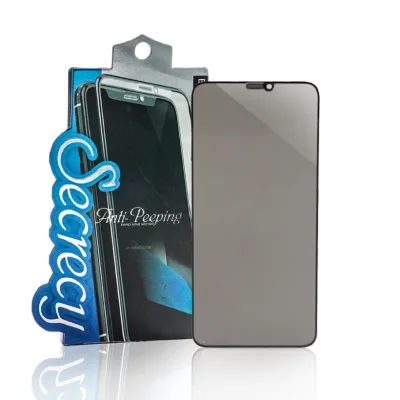
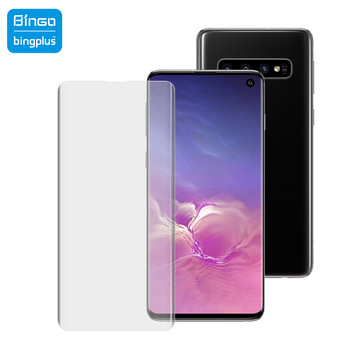
When evaluating the "Quality: A++" claims found in the data, buyers should treat these as internal supplier grading systems rather than independent industry certifications. To validate these claims, procurement teams should request test results regarding the "anti-scratch" and "shockproof" features mentioned in the product descriptions. For privacy-focused applications, such as the "silk privacy screen protector" or "anti spy" variants, verification of the light-blocking technology is essential to ensure it meets the required visibility angles. Additionally, the use of "UV Screen Protector" technology requires confirmation that the curing process does not degrade the adhesive or the glass over time. Buyers must also check if the "customized" aspect ratio and model numbers align with the specific regulatory requirements of their target market, particularly regarding electronic waste and material safety.
Cost Drivers and Pricing Dynamics
The pricing structure for high sensitive touch cellphone screens is influenced by a multitude of factors, ranging from material costs to customization levels. The observed price range in the market spans from $0.07 to $2300, a vast disparity that reflects the difference between a simple consumer glass protector and a full industrial control panel assembly. The lower end of the spectrum typically covers single-item units like tempered glass protectors for specific phone models, where economies of scale and high production volumes drive costs down. These items often have a single gross weight of 0.030 kg and are packaged in retail boxes or OPP bags, minimizing logistics expenses.
In contrast, the higher price points are associated with industrial-grade units, such as the KDT-87 or KEA-254 models, which feature larger screen sizes and custom aspect ratios. The cost of these units is driven by the complexity of the resistive touch technology, the integration of industrial control systems, and the customization of the aspect ratio. The "customized" standard and the ability to tailor the product to specific applications add significant value but also increase the unit cost. Buyers should also consider the impact of the "OEM/ODM" services on pricing; accepting a custom mold or specific branding often incurs additional tooling and setup fees, even if the supplier states that private molds are not currently available for certain items.
The minimum order quantity (MOQ) is another critical cost driver, with observed ranges from 1 to 200 units. For buyers seeking to test the market or fulfill small-scale projects, the ability to order single items is advantageous, though the unit price may be higher. Conversely, larger orders can leverage volume discounts, but the buyer must weigh this against inventory holding costs. The payment terms, which include T/T, Trade Assurance, and Western Union, also influence the financial risk and cash flow management for the buyer. Trade Assurance, in particular, offers a layer of security that can mitigate the risks associated with cross-border transactions, potentially affecting the overall cost of procurement when factoring in insurance or financing.
Typical Applications and Use Cases
The versatility of high sensitive touch cellphone screens is evident in the wide array of applications identified in the market data. Industrial control systems represent a primary use case, where reliability and durability are paramount. These screens, often featuring resistive touch technology and screen sizes between 5 and 15 inches, are designed to withstand harsh environments and frequent interaction. The customization of the aspect ratio allows these units to be integrated seamlessly into machinery, kiosks, and monitoring stations. The "Public Information Inquiry System" is another significant application, where the screen must be robust enough to handle public interaction while providing clear, responsive feedback.
In the consumer electronics sector, the applications are more varied, focusing on protection and user experience. The data highlights compatibility with a vast range of devices, including Samsung, Huawei, Xiaomi, and various iPhone models from the XS Max to the 15 series. The "2.5D" and "full glue" specifications are tailored to enhance the aesthetic appeal and tactile feel of these devices. Privacy is a growing concern, leading to the development of "silk privacy" and "anti spy" screen protectors that limit the viewing angle to protect sensitive information. These are particularly relevant for financial institutions, healthcare providers, and corporate environments where data security is critical.
The "mobile phone" application is the most direct use case, where the screen protector serves as a sacrificial layer to prevent damage to the original display. The "anti-scratch" and "shockproof" features are essential for this application, ensuring that the device remains functional despite drops or contact with abrasive materials. The "UV Screen Protector" technology adds another layer of functionality, offering protection against ultraviolet light which can degrade the device's screen over time. Buyers must match the specific application requirements with the correct product specifications, ensuring that the chosen screen meets the durability, clarity, and sensitivity needs of the intended environment.
Supplier Evaluation and Sourcing Strategy
Evaluating suppliers for high sensitive touch cellphone screens requires a rigorous approach that goes beyond simple price comparisons. The data indicates that many suppliers offer "OEM/ODM" services and accept "customized" orders, suggesting a high level of flexibility. However, the absence of specific certification details in the provided data necessitates a proactive verification process. Buyers should request detailed documentation regarding the "Japan Asahi glass" and "Japan AGC Glass" sources to confirm the authenticity of the materials. The "Quality: A++" claim should be backed by independent test reports or a proven track record of consistent delivery.
The location of the suppliers, primarily in Guangzhou and Guangdong, China, offers access to a robust manufacturing ecosystem but also requires careful logistics planning. Buyers should verify the "Delivery time," which is observed as 3 working days for some items, and ensure that this aligns with their production schedules. The "Single package size" and "Single gross weight" data points are crucial for calculating shipping costs and optimizing container loading. For industrial clients, the ability to customize the aspect ratio and screen size is a key differentiator, and suppliers should be evaluated on their capacity to handle these customizations without compromising quality.
Payment terms such as "T/T," "Trade Assurance," and "Western Union" provide various levels of security. Trade Assurance is particularly valuable for new buyers, as it offers protection against non-delivery or quality issues. Buyers should also assess the supplier's ability to handle the "Protective Package" requirements, ensuring that the screens arrive in pristine condition. The "Compatible brand" and "Compatible model" lists are extensive, indicating that suppliers have a broad inventory, but buyers must verify that the specific model numbers match their requirements exactly.
Quality Control and Long-Term Procurement Considerations
Maintaining consistent quality in the procurement of high sensitive touch cellphone screens is essential for long-term success. The observed data highlights several quality attributes, such as "99% Transparency," "Anti-scratch," and "Shockproof" capabilities, which should be verified through regular quality control checks. For industrial applications, the "Resistive Touch Screen Type" and "Digital" specifications must be tested for responsiveness and durability under continuous use. The "0.26mm" and "0.3mm" thickness variations require precise measurement to ensure they meet the design specifications of the end product.
Long-term procurement considerations include the stability of the supply chain and the availability of replacement parts. The "Customization" attribute suggests that many products are made-to-order, which can lead to longer lead times for future orders. Buyers should establish a relationship with suppliers who can maintain consistent quality over time and provide reliable support for any issues that arise. The "OEM/ODM" capability is a significant advantage, allowing buyers to maintain brand consistency and control over the product design. However, this also requires clear communication and detailed specifications to avoid misunderstandings.
The "Private mold: No" attribute indicates that some suppliers may not offer exclusive tooling, which could limit the uniqueness of the product. Buyers should consider whether this is a deal-breaker or if off-the-shelf solutions with minor modifications are sufficient. The "Delivery time" of 3 working days is a positive indicator of efficiency, but buyers should verify if this applies to all order sizes or only to standard items. Finally, the "Payment Terms" should be reviewed to ensure they align with the buyer's financial policies and risk tolerance. By focusing on these quality control and long-term factors, buyers can secure a reliable supply of high sensitive touch cellphone screens that meet their operational needs.
FAQs
What screen sizes are available for industrial control systems?
Industrial control systems feature screen sizes ranging from 5 to 15 inches. These units often utilize resistive touch technology and support customized aspect ratios to fit specific machinery requirements.
Which materials are used for high sensitive touch cellphone screens?
High sensitive touch cellphone screens commonly use Japan Asahi glass and Japan AGC glass. These materials are often combined with specific adhesives to ensure optical clarity and durability.
Can buyers request customized aspect ratios for these screens?
Yes, buyers can request customized aspect ratios for both industrial and consumer applications. This customization allows the screens to fit specific devices or machinery without modification.
What is the typical delivery time for single item orders?
The typical delivery time for single item orders is 3 working days. This fast turnaround supports buyers needing quick prototypes or small-scale testing of the products.
How does the thickness of the glass affect screen sensitivity?
The thickness of the glass, observed at 0.26mm and 0.3mm, directly impacts tactile feedback and sensitivity. Thinner layers generally offer a more responsive touch experience on consumer devices.
Which payment terms are accepted by suppliers for these products?
Suppliers accept payment terms including T/T, Trade Assurance, and Western Union. These options provide flexibility and security for cross-border transactions involving various order sizes.
What features are included in privacy screen protectors for mobile phones?
Privacy screen protectors include features like silk privacy and anti-spy capabilities to limit viewing angles. These protectors ensure sensitive information remains visible only to the user.